

What happened
The Fire Protection Research Foundation has launched a three-year project focused on improving models for direct-current arc-flash phenomena. NFPA, Siemens, Schneider Electric, Eaton, ABB, and Mersen are supporting the research.
Why it matters
DC power is expanding across data centers, battery energy storage systems, photovoltaic installations, EV infrastructure, and industrial applications. As technicians encounter more high-energy DC systems, reliable arc-flash hazard calculations become increasingly important for risk assessment and safe work planning.
What to know
The project is intended to improve the technical understanding used to calculate DC arc-flash hazards. This is research work, not an immediate change to an NFPA requirement or calculation method, so existing applicable safety requirements and procedures remain in effect.
Source
NFPA / Fire Protection Research Foundation — October 2, 2026
https://www.nfpa.org/en/about-nfpa/press-room/news-releases/2026/fire-protection-research-foundation-leading-dc-arc-flash-research-project
PSA Discussion
Are you seeing more DC arc-flash analysis in BESS, UPS, photovoltaic, or data-center work?
What happened
NICET's updated Electrical Power Testing exams for Levels I, II, and III become available October 5, 2026. October 4 is the final day for examinations based on the previous content outlines. NICET lists the updated exams as 67 questions/80 minutes for Level I, 136 questions/155 minutes for Level II, and 102 questions/125 minutes for Level III.
Why it matters
Anyone preparing for NICET Electrical Power Testing certification needs to make sure their study plan matches the new content outline and reference list for the level they are taking. Older preparation materials may not fully reflect the revised exam scope.
What to know
Level IV is not part of the October 5 transition and is expected to be updated in 2027.
Source
NICET — effective October 5, 2026
https://www.nicet.org/certification-programs/electrical-and-mechanical-systems/electrical-power-testing/
PSA Discussion
If you are taking one of the updated EPT exams this month, share your experience afterward so others can better understand the transition.

I put together a new article for anyone who is thinking about getting into electrical power testing but has no idea where to start.
One of the things I like about this field is that you do not need to have everything figured out at 18 or 20 years old. You can start with very little electrical experience, get into the field, learn from experienced technicians, and build your way up over time.
The article walks through what that path can look like from learning basic electrical theory and getting your first field position, through NICET/NETA milestones, medium-voltage work, relays, troubleshooting, commissioning, and eventually senior technical or leadership roles.
The big point is that the goal should not just be collecting certifications. The certification is useful, but what really changes your career is becoming capable of handling more equipment, solving harder problems, working more independently, and eventually being trusted to lead the work.
If you are newer to the field, or know someone trying to figure out how to get started, this may help give them a clearer picture of what the next several years could look like.
Read: How to Become an Electrical Testing Technician: A NETA and NICET Career Path
For newer technicians, electrical terminology can become overwhelming quickly.
A simple place to start is:
Voltage is the push.
Current is the flow.
Resistance opposes the flow.
Power is the work being done.
These ideas show up in almost every electrical system you will work on.
A motor drawing too much current, a loose connection creating heat, or a breaker operating can often be better understood by going back to these fundamentals.
Which of these concepts took you the longest to understand?
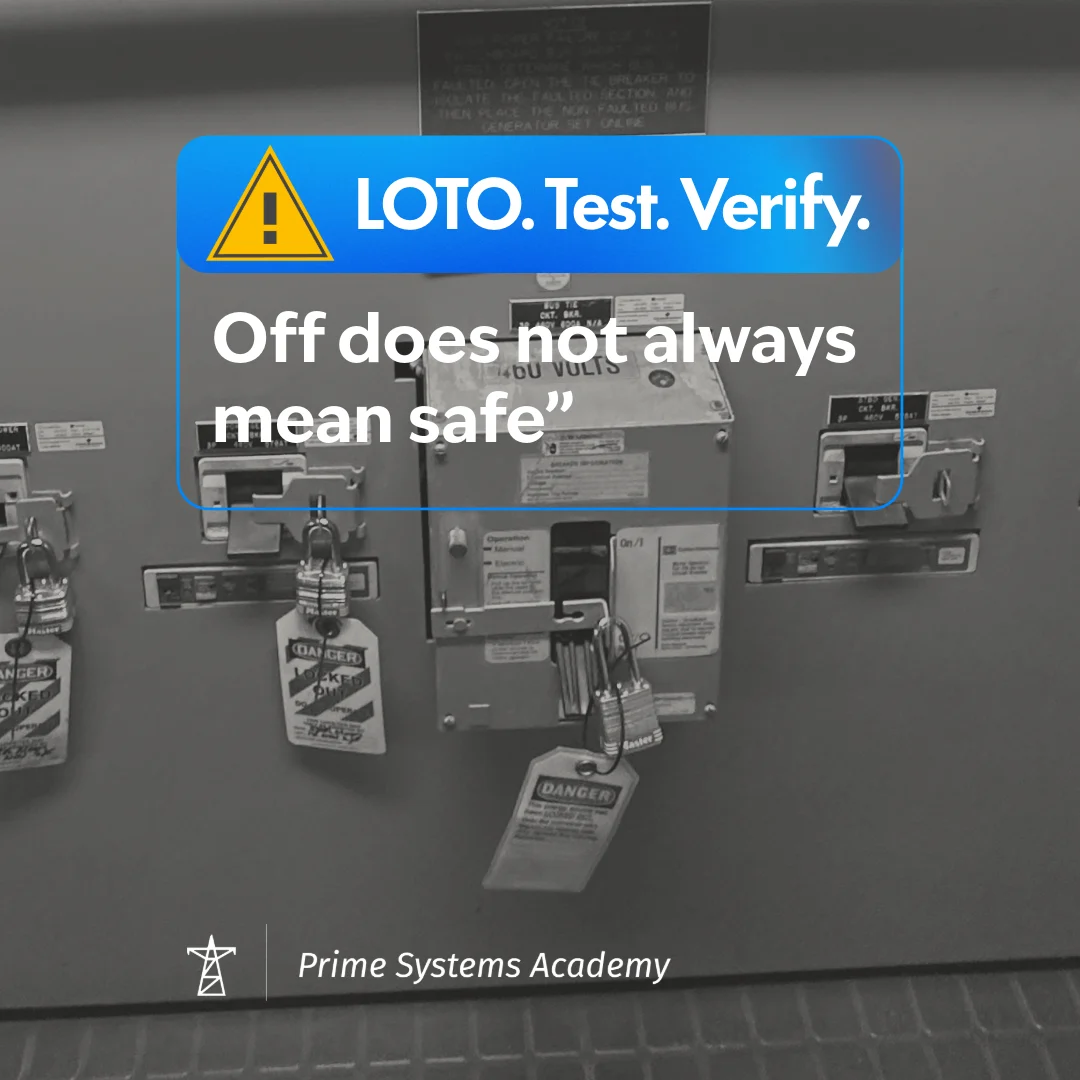
One dangerous assumption in electrical work is believing that OFF automatically means safe.
A disconnect may be open while voltage remains on the line side.
A panel may have more than one source.
Control voltage or stored energy may still be present.
Labels and drawings may also be incorrect.
Always follow the required lockout/tagout procedure, use properly rated test equipment, wear the required PPE, and verify the condition before beginning work.
For the experienced technicians in the community:
What safety lesson do you wish someone had taught you earlier?
A piece of equipment trips.
What is the first thing you check?
It is easy to focus immediately on the breaker, fuse, or alarm that operated. However, that device may have done exactly what it was designed to do.
Before resetting anything, think through the system:
- What is the source?
- What is the load?
- What voltage should be present?
- What current should be expected?
- What changed before the trip?
Share your first troubleshooting step in the comments.

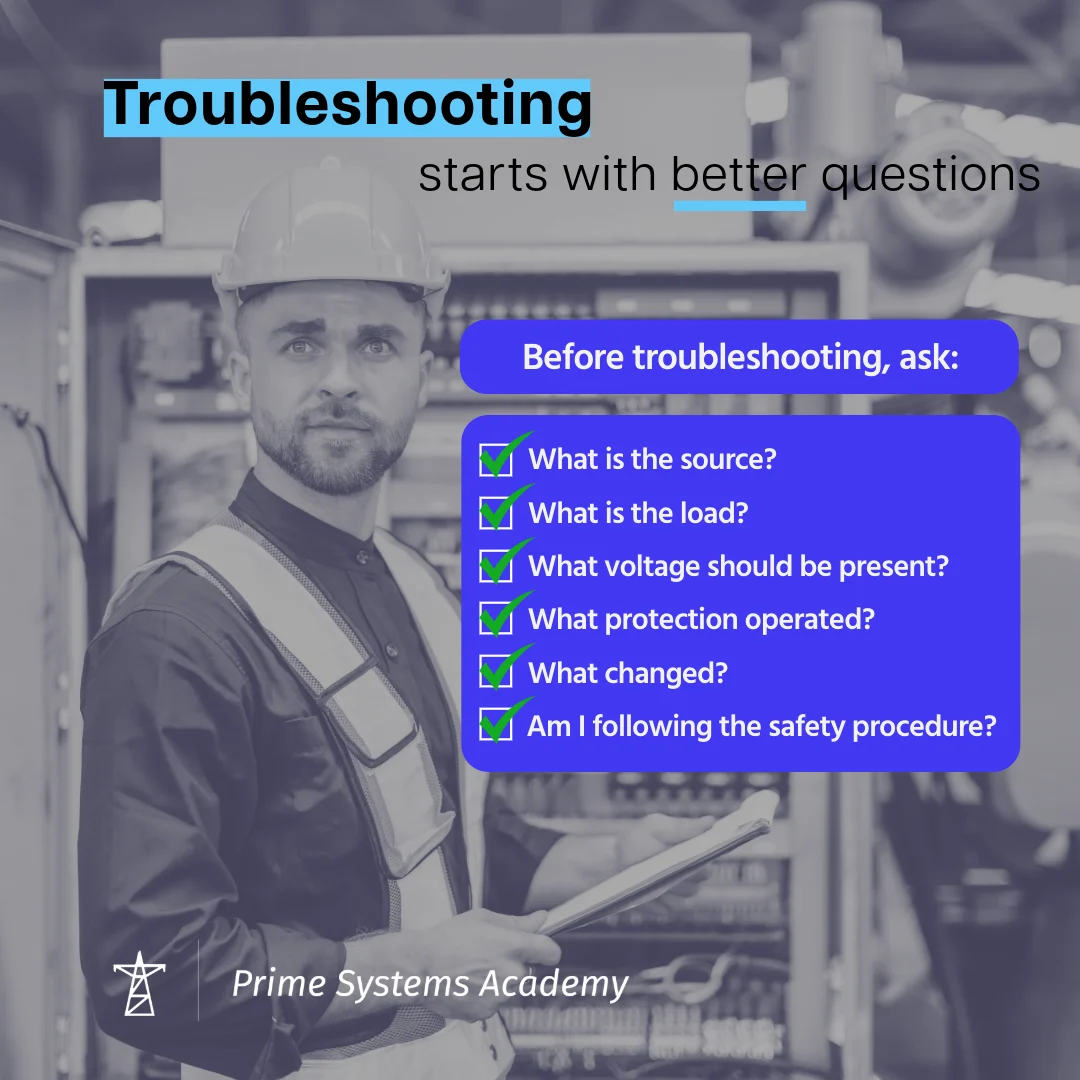
Before troubleshooting, ask:
- What is the source?
- What is the load?
- What voltage should be present?
- Is the system AC or DC?
- Is it single-phase or three-phase?
- What current should be expected?
- What protection is installed?
- What device operated?
- Are drawings or manuals available?
- What changed before the problem started?
- Are the correct safety procedures in place?
This is a starting checklist, not a complete procedure for every situation.
What question would you add to the list?
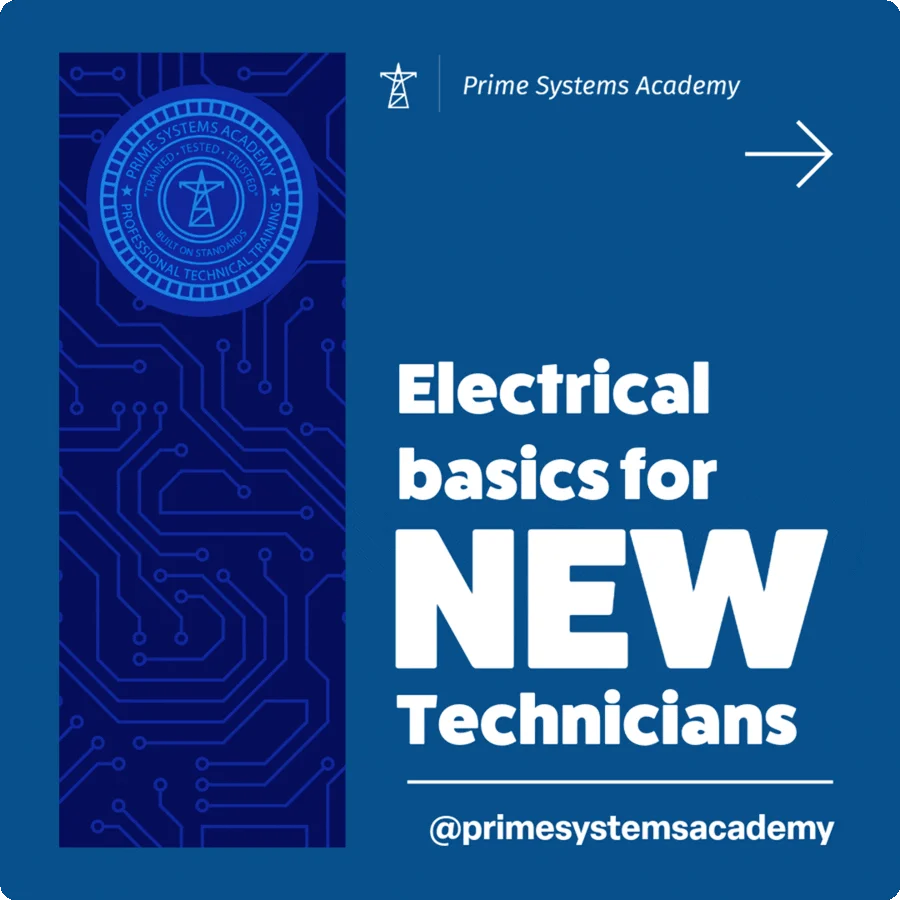
This week, we are focusing on electrical power basics for new technicians.
Topics include:
- Voltage, current, resistance, and power
- AC and DC systems
- Single-phase and three-phase power
- Sources and loads
- Grounding and bonding
- Breakers, fuses, and protection
- Basic troubleshooting questions
These fundamentals support nearly everything else we study, including generators, transformers, switchgear, motors, relays, testing, and maintenance.
Read through the article, then join the discussion:
What electrical topic would you like us to explain next?
This one focuses on what happens inside equipment where most failures actually begin.
Main points covered:
• How solid and liquid dielectrics respond to electric fields
• Why voids and moisture create localized stress
• How partial discharge starts and develops over time
• Electrical treeing and long term insulation degradation
• Why internal failures are often silent until the end
One of the biggest takeaways is that insulation does not usually fail all at once. It degrades over time as the electric field becomes concentrated in small defects.
If you’ve worked around cable failures, transformer issues, or insulation testing, you’ve likely seen the results of this process.
Watch here: https://youtu.be/wZX29jF0QAo
Curious to hear from others. Have you seen failures that were traced back to moisture, voids, or PD activity?