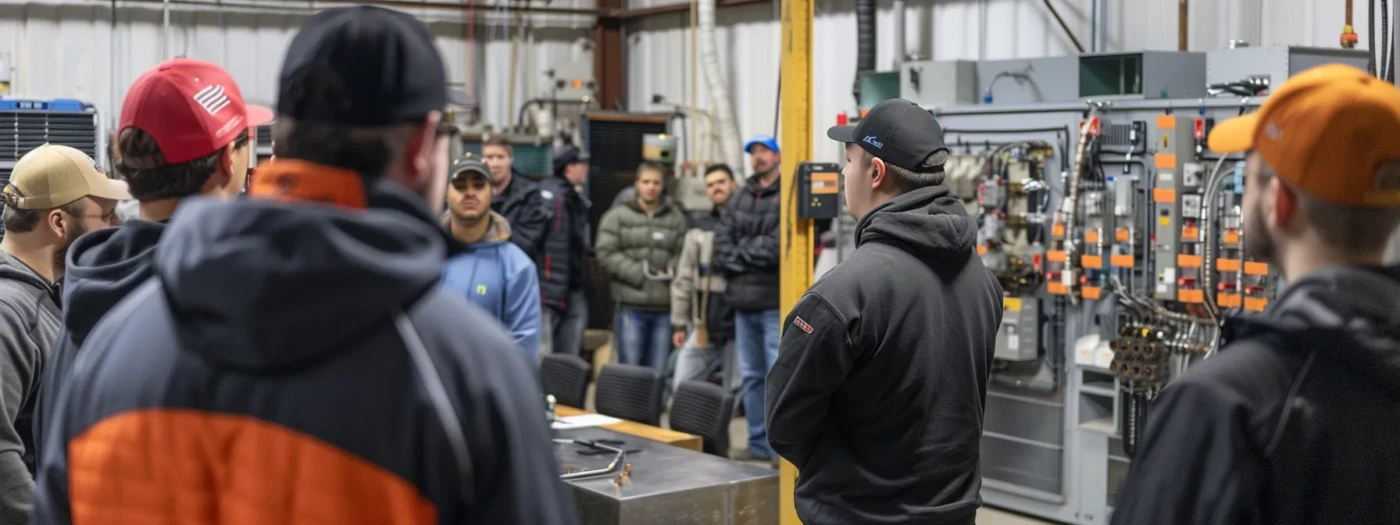
Most people entering the electrical field focus on voltage.
But insulation does not fail because of voltage alone.
It fails because of how the electric field behaves.
In Part 2, we break down how electric fields concentrate, distort, and create weak points inside equipment. This is the difference between guessing why something failed and actually understanding it.
Once you see it, you won’t look at insulation the same way again.
That matters for one big reason: even when a battery project is the headline, the support equipment can still be the part that limits the whole system.
In the new article, I break down:
What the Waratah Super Battery is supposed to do
What went wrong during testing
Why transformers matter so much
Why commissioning and final testing are critical before full operation
Good reminder for anyone learning power systems: batteries, solar, and other newer technology still depend on solid electrical fundamentals like transformers, protection, controls, and testing.
Read the full article here: Waratah Super Battery Delayed After Transformer Problems During Testing
A new standard is putting more focus on an important question in electrical maintenance: who is actually qualified to perform the work?
In this article, I break down what ANSI/NETA EMW-2026 is, what it covers, why third-party qualification matters, and how it connects to the growing importance of NFPA 70B.
If you work in electrical maintenance, testing, compliance, or technician training, this is a standard worth paying attention to.
Read it here: medium.com
A lot of people talk about electrical maintenance, but one important question often gets missed:
Who is actually qualified to do the work?
That is one reason ANSI/NETA EMW-2026 matters.
NFPA 70B helps set expectations for electrical equipment maintenance. EMW-2026 helps define the kind of training, experience, and safety knowledge a worker should have before performing basic maintenance tasks.
In other words, NFPA 70B is about the maintenance program. EMW-2026 helps support the people carrying it out.
The standard covers things like:
- training and field experience
- electrical safety knowledge
- inspection and maintenance duties
- documentation
- third party qualification
- requalification over time
This is a big step for companies that want maintenance programs to be safer, more consistent, and easier to defend.
It is also important for technicians who want a clearer path for growing in the electrical maintenance field.
New article:
How EMW-2026 Supports NFPA 70B Compliance
What do you think matters more in real-world maintenance success: the written program, the skill of the worker, or both?
NETA has a new ANSI-approved standard that aims to make “qualified electrical maintenance worker” a defined, documentable requirement—not just a vague label.
ANSI/NETA EMW-2026 focuses on minimum requirements for a Qualified Electrical Equipment Maintenance Worker (QEMW), including training + experience and how those qualifications are documented (and verified through an impartial qualification system). It’s also tied to supporting NFPA 70B maintenance program implementation.
Timing: ANSI approval effective Jan 6, 2026 • expected release Feb 2026
I wrote a full breakdown here: Link to full blog post
Question for the group: Do you think this improves safety + consistency… or adds more paperwork?
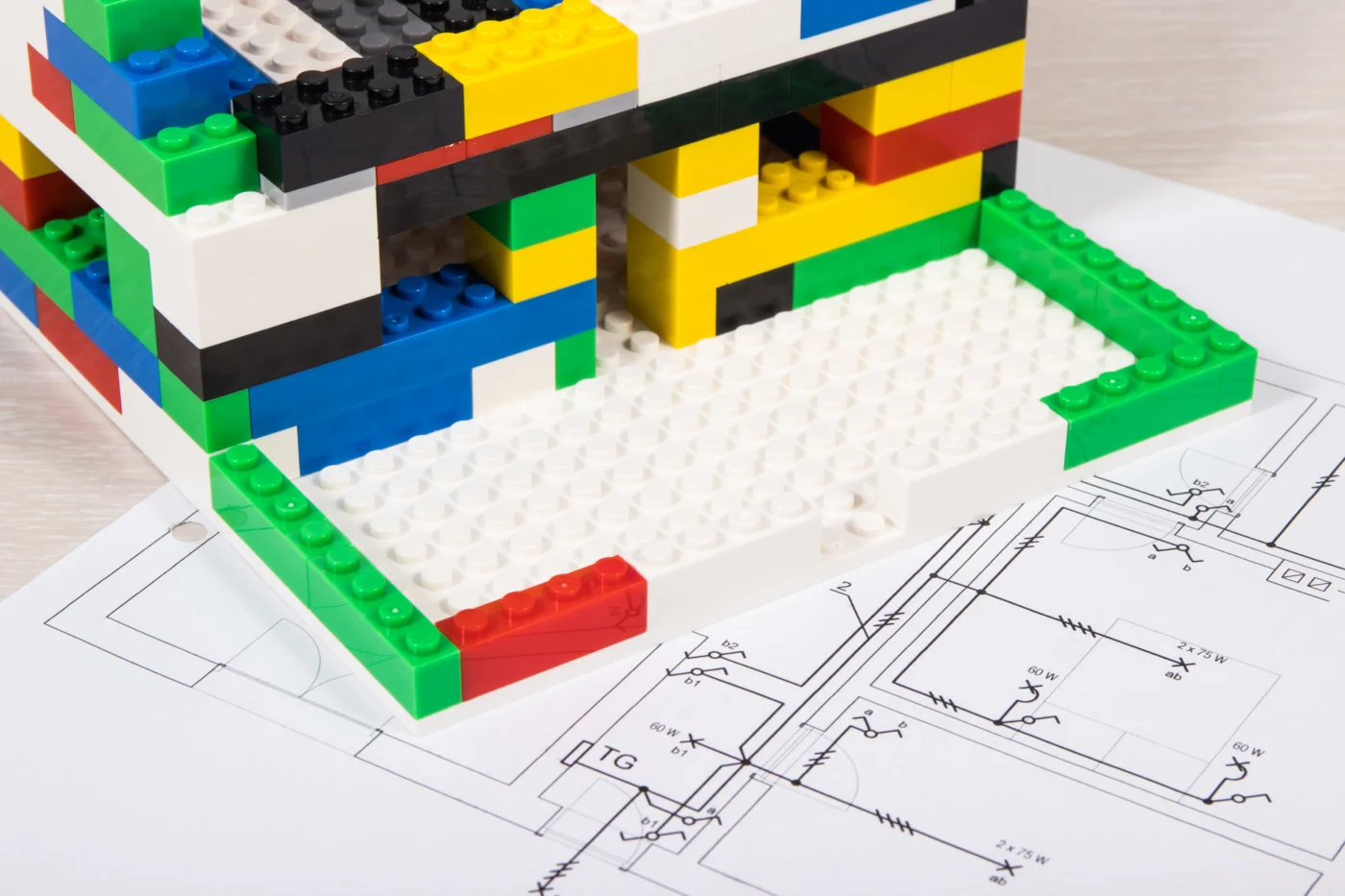
This article explores a core belief behind how effective education should work. Teaching is not about filtering out who already knows the material. It is about deliberately transferring experience, skills, and understanding so that as many students as possible reach a high standard of competence.
Using a simple LEGO classroom example, the article contrasts two approaches to instruction. One identifies strong students through struggle and correction. The other builds strong students through guided practice, immediate feedback, and intentional retesting. The difference in long term retention and real world performance is dramatic.
If we want industries to advance, each generation must begin at a higher baseline of knowledge and skill than the one before it. That only happens when teaching focuses on building talent, not just discovering it.
This piece is for instructors, trainers, leaders, and anyone responsible for developing people.
https://medium.com/@bill_94829/teaching-is-transfer-not-selection-b56f759626ff
Researchers in China have unveiled a new high voltage sodium sulfur battery design that could dramatically change how we store energy. Using widely available materials like sulfur, sodium, aluminum, and chlorine based electrolytes, the experimental cell achieved energy densities reportedly exceeding 2,000 Wh per kg rivaling and potentially surpassing today’s top lithium technologies.
What makes the design especially promising is that it overcomes many of the long standing durability problems that have limited sulfur based batteries. Early testing shows the cells surviving over 1,400 charge cycles retaining 95 percent capacity after more than a year of storage and potentially costing as little as 5 dollars per kWh based on raw materials.
If these results translate beyond the lab this could represent a major shift for grid scale storage renewable integration and energy resilience especially as lithium prices and supply constraints continue to rise.
Engineering challenges remain particularly around safely scaling the chlorine rich electrolyte and building full commercial cells but the concept itself highlights how unconventional chemistry may unlock the next generation of energy systems.
This is exactly the kind of innovation that could reshape power infrastructure in the coming decade.
What the NICET Electrical Power Testing Level I exam actually measures, why safety dominates the questions, and how to think through scenario-based problems.
Power demand in the United States is rising faster than the workforce can keep up. Entire regions are expanding their grids. Aging infrastructure needs more maintenance than ever. Yet an entire generation of experienced technicians will be fully in the retirement window by 2030.
NETA and the U S Department of Labor have stepped in with a major solution. A nationally recognized Electrical Testing Engineering Technician Apprenticeship program is now available for NETA Accredited Companies. This new pathway gives the industry a dependable system for training the next generation of high voltage and power system professionals.
Why apprenticeships matter for the electrical testing industry
• They create a consistent pipeline of skilled technicians
• They combine structured on the job training with classroom learning
• They ensure apprentices meet knowledge checks and safety standards
• They open access to federal and state resources, incentives, and grants
• They help companies reach people who are not pursuing traditional four year degrees
For years, companies have carried the full cost of training. With a Registered Apprenticeship Program, those costs can be offset with federal and state support. This relief is important in an industry where training a new technician can range from fifteen hundred dollars to well over ten thousand dollars.
How NETA is supporting the effort
NETA created a complete National Guideline to Apprenticeship Standards. It is a vetted framework built by industry experts and approved by the federal apprenticeship system. NETA Accredited Companies can adopt this guideline, customize it to their needs, and fast track their sponsorship with the U S Department of Labor.
Several companies are already moving through the approval process to begin recruiting the first generation of Electrical Testing Engineering Technician Apprentices.
Where Prime Systems Academy fits in
Prime Systems Academy exists to train the next generation of electrical testing professionals. Our mission aligns directly with the nationwide effort to strengthen the talent pipeline for high voltage testing, commissioning, maintenance, and power system reliability.
Apprenticeship programs need quality related instruction. They need accessible online learning options. They need industry aligned study materials for NICET and NETA. They need structured lessons that reinforce the exact safety and technical skills technicians use every day in the field.
Prime Systems Academy is building those resources.
• NICET Level I and Level II training for new apprentices
• Foundational electrical courses for those entering the field
• Practice exams, study guides, and competency based lessons
• Clear and practical instruction designed for real world testing environments
• Flexible online learning that supports both individuals and company wide programs
As NETA Accredited Companies adopt the new apprenticeship framework, PSA becomes a natural partner to support their related instruction requirements and long term workforce development.
The future of electrical testing begins with the people who join it today
America is expanding its electrical infrastructure at a pace that demands a strong, well trained workforce. Apprenticeships offer a proven way to build that workforce. Prime Systems Academy is here to support technicians, companies, and training managers every step of the way.
If you want help preparing apprentices for NICET, building internal training paths, or strengthening your company’s capability to train new technicians, PSA is ready to support you.
Building the Future: Apprenticeships for America’s Electrical Testing Workforce